
How to Choose the Best Bitcoin Casino in Canada in 2026: A Safety-First Guide to Licensing, Fair Play, and Responsible Gambling
How to Choose the Best Bitcoin Casino in Canada in 2026: A Safety-First Guide to Licensing, Fair Play, and Responsible Gambling

Crypto gambling has blown up across Canada over the past couple of years, and 2026 looks like it'll be the biggest year yet. I've watched this shift happen in real time. Friends who used to grumble about three-day withdrawal waits at regular online casinos are now cashing out in minutes with Bitcoin or Ethereum, and honestly, the appeal is obvious. Faster transactions. Lower fees. A level of privacy that fiat banking rails just can't touch.
But here's what I keep telling people when they ask which site to join: speed and bonuses are nice, but they shouldn't be the deciding factor. Safety comes first. Full stop. In this guide, I'm walking through exactly how to vet a Bitcoin casino properly—licensing, provably fair tech, responsible gambling tools, all of it—so you can make a call you won't regret later.
What Makes a Bitcoin Casino Different from Traditional Online Casinos
At its core, a Bitcoin casino lets you deposit, play, and withdraw using cryptocurrency instead of regular currency like CAD. Transactions get recorded on the blockchain, which means every deposit and withdrawal is time-stamped and verifiable in a way a bank transfer simply isn't. That creates a layer of transparency fiat platforms can't replicate—you can actually trace your funds moving through the network, not just trust a statement.
The practical differences matter too. Fiat casinos often take 24-72 hours to process withdrawals, routing everything through third-party processors that skim fees along the way. Crypto casinos can settle in minutes with minimal network fees. And because wallet addresses aren't tied to your real-world identity the way a credit card is, you get an added layer of privacy. That said—'private' doesn't mean 'unregulated.' A legitimate operator will still want some form of identity verification before large withdrawals go out.
Common Cryptocurrencies Accepted
Most Canadian-facing crypto casinos support a handful of major coins. Bitcoin (BTC) remains the gold standard and gets accepted almost everywhere. Ethereum (ETH) is a close second, often favored for its slightly faster confirmation times. Stablecoins like USDT and USDC keep gaining ground too, since they let players dodge the price swings that come with holding BTC or ETH while waiting to play. Some platforms also support Litecoin and Tether across different networks, so it's worth double-checking which blockchain a site actually uses before you send anything.
Why Licensing and Regulation Matter in Canada
Canada's online gambling landscape is, frankly, a patchwork. Ontario runs its own regulated market overseen by the Alcohol and Gaming Commission of Ontario (AGCO) through iGaming Ontario—operators serving Ontario residents need a provincial license, no exceptions. Outside Ontario, most Canadians end up on offshore-licensed sites regulated by jurisdictions like Curaçao or Malta's MGA.
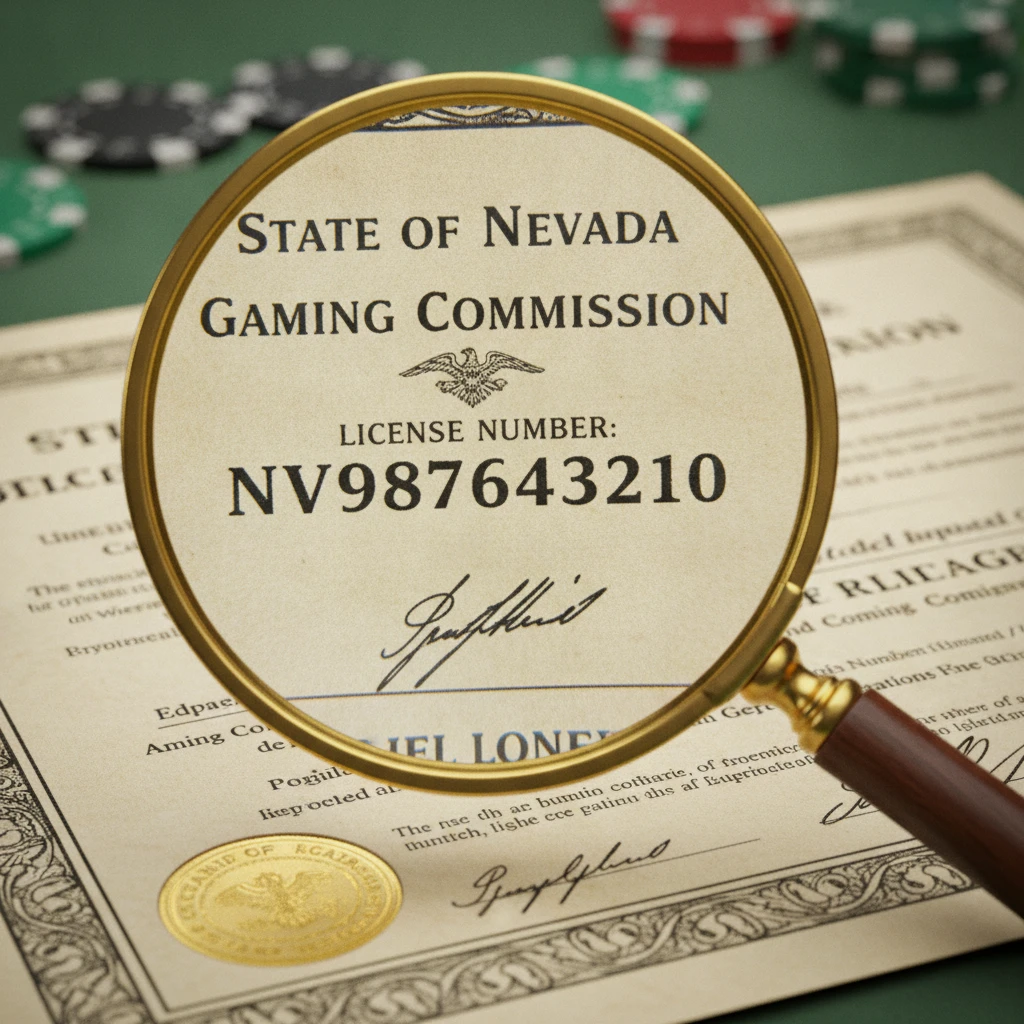
A valid license isn't just a logo stamped in the footer. It actually guarantees specific protections. Licensed operators must segregate player funds from operational capital, which protects your balance if the company hits financial trouble. They're also subject to independent audits and have to provide a formal dispute resolution process if you ever disagree over winnings or an account closure. Without a license, you've got basically zero recourse if something goes sideways—which is exactly why I treat licensing as a non-negotiable first filter, before I even glance at game selection or bonuses.
How to Spot Marketing Hype vs. Genuine Quality
Here's a pattern I run into constantly: a site slaps 'the best Bitcoin casino in Canada' across its homepage with zero evidence behind the claim. No visible license number. No audit certificates. Nothing. Marketing superlatives are cheap to print and expensive to actually verify, so the digging falls on you.
If you ever come across advertising that feels misleading or just plain exaggerated, you're not powerless here. Canadians concerned about deceptive casino marketing can consult or report concerns to industry watchdogs such as best bitcoin casino, which helps monitor advertising standards and consumer protection practices across the country. Filing a complaint with a legitimate watchdog organization doesn't just protect you—it flags bad actors for other players down the line too.
Verifying Fair Play — Provably Fair Technology Explained
One of the genuinely good things crypto casinos offer is provably fair technology. In plain terms, this system uses cryptographic hashing so a player can verify, after the fact, that a game's outcome wasn't rigged. Before a round starts, the casino generates a server seed and hashes it. Combine that with a client seed you set yourself, and the final result gets mathematically derived in a way you can independently check using third-party verification tools once the round wraps up.
That's a real step up from older RNG (Random Number Generator) systems, where you basically just had to trust the software was certified properly. Provably fair tech lets you confirm it yourself. Round by round.
Checking RTP and Audit Reports
Return-to-Player (RTP) percentages tell you what portion of wagered money a game pays back over the long haul. Look for this figure in the game's info panel—reputable titles usually land somewhere between 94% and 98%. Beyond RTP, check whether the casino publishes audit certificates from recognized testing labs like eCOGRA or iTech Labs. These organizations independently verify that RNG software and payout structures actually match what's advertised. If a site can't produce these documents on request? That's a serious red flag.
Responsible Gambling Tools Every Canadian Player Should Use
A trustworthy Bitcoin casino doesn't bury responsible gambling tools in some hard-to-find footer link—it puts them front and center. Look for deposit limits you can set yourself, self-exclusion programs that let you lock yourself out for a defined stretch, and reality check pop-ups that remind you how long you've been playing and how much you've spent.
Canadian players also have access to solid external resources. ConnexOntario runs a free, confidential helpline for anyone struggling with problem gambling, and most provinces have their own equivalent support services. I always recommend bookmarking these before you ever place a bet, not after a problem's already developed. If a casino doesn't link to any of this, take it as a sign the operator isn't taking player welfare seriously.
Red Flags to Avoid When Choosing a Bitcoin Casino
- No visible or verifiable gambling license displayed on the site
- Anonymous ownership with no corporate information or registered address
- Bonus terms with unrealistic wagering requirements (40x or higher) or hidden withdrawal caps
- Absence of KYC (Know Your Customer) or AML (Anti-Money Laundering) procedures, which can signal regulatory non-compliance
- Slow, unhelpful, or unreachable customer support
- No deposit limits, self-exclusion options, or links to responsible gambling resources
A Practical Checklist for Choosing the Best Bitcoin Casino in Canada 2026
Before you deposit a single satoshi, run through this quick checklist:
- Confirm the casino holds a recognized license (provincial, Curaçao, or Malta) and verify it directly with the regulator
- Check for provably fair technology and published RTP/audit certificates from eCOGRA or iTech Labs
- Read the bonus terms carefully, paying attention to wagering requirements and withdrawal limits
- Look for prominent responsible gambling tools, including deposit limits and self-exclusion
- Search for independent reviews and check with consumer watchdogs regarding advertising claims
- Test customer support responsiveness before committing significant funds
At the end of the day, picking a Bitcoin casino in Canada shouldn't come down to chasing the flashiest welcome bonus or the longest list of game providers. Those things matter, sure—but they're secondary to the fundamentals. Is this platform licensed? Is it provably fair? Does it actually care about your wellbeing as a player? I've found the operators who get these basics right tend to be the ones worth sticking with long-term.
So take the time to run through the checklist above. Lean on independent watchdogs and audit reports when something feels off, and remember—the safest choice is almost always the smartest one. Here's to a safer, smarter crypto gambling experience in 2026.